A chef is only as good as their knife skills. While creativity, passion, and flavour are all essential in the kitchen, mastering the basics of knife work is one of the most important foundations of becoming a professional chef.
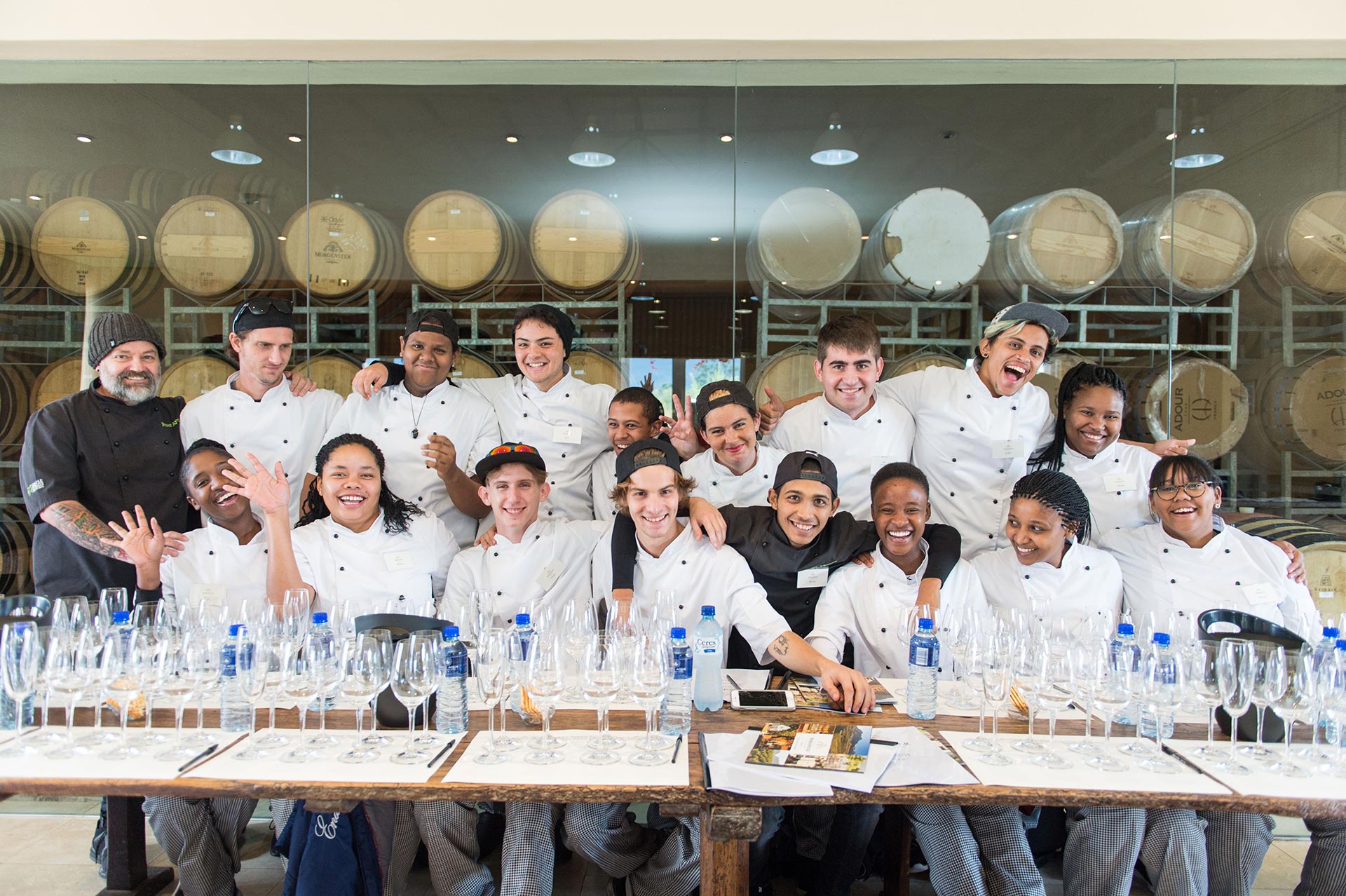
At Sense of Taste Chef School, students quickly learn that proper knife skills are about much more than cutting vegetables. They improve speed, consistency, presentation, safety, and efficiency, qualities every professional kitchen expects from its chefs.
Whether you dream of working in a fine dining restaurant, opening your own business, or simply becoming a more confident cook, these are the knife skills every aspiring chef should master.
Why Knife Skills Matter
Professional chefs use their knives for hours every day. Learning the correct techniques from the beginning helps you:
- Improve kitchen safety
- Prepare ingredients faster
- Create evenly cooked dishes
- Reduce food waste
- Present food beautifully
- Build confidence in a professional kitchen
Good knife skills do not just make cooking easier, they make you a better chef.
Holding a Chef’s Knife Correctly
One of the first lessons every culinary student learns is how to hold a knife properly.
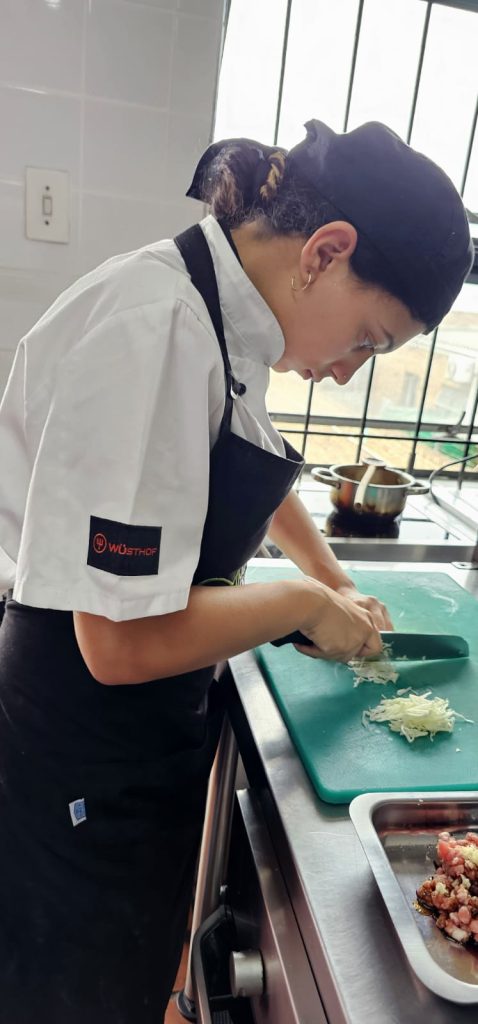
Using a pinch grip, where your thumb and index finger grip the blade just above the handle, provides better control, accuracy, and comfort. It also reduces fatigue during long periods of food preparation.
Proper grip is the foundation for every cutting technique that follows.
Learning the Basic Cuts
Professional kitchens rely on consistency. Every piece of food should be the same size to ensure even cooking and an attractive presentation.
Some of the essential cuts include:
- Julienne
- Batonnet
- Brunoise
- Dice (small, medium and large)
- Chiffonade
- Paysanne
Mastering these classic cuts helps aspiring chefs prepare ingredients quickly while producing restaurant-quality results.
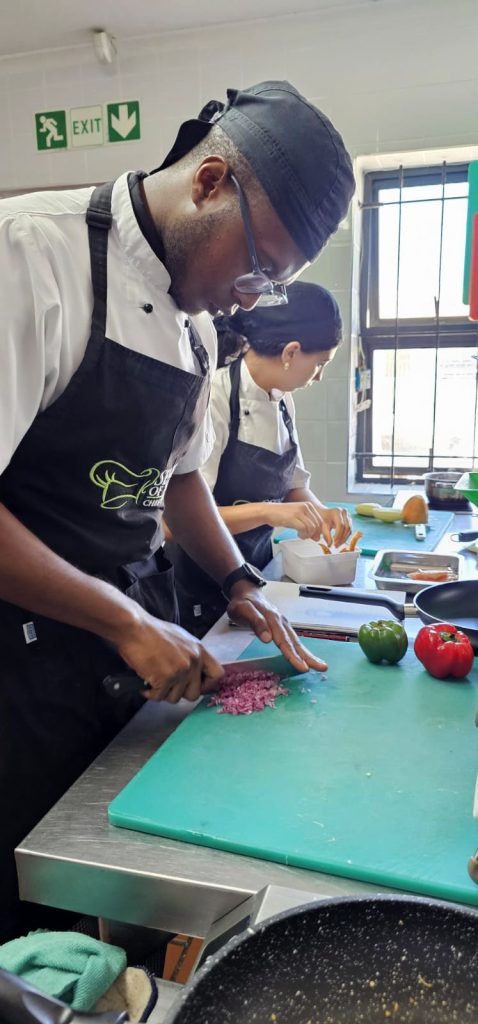
Developing the Rock Chop Technique
The rocking motion is one of the most common knife techniques used by professional chefs.
Keeping the knife tip in contact with the chopping board while rocking the blade allows for faster, smoother chopping of herbs, vegetables, and other ingredients.
This technique increases speed while maintaining precision.
Keeping Your Fingers Safe
Safety is a non-negotiable skill in every professional kitchen.
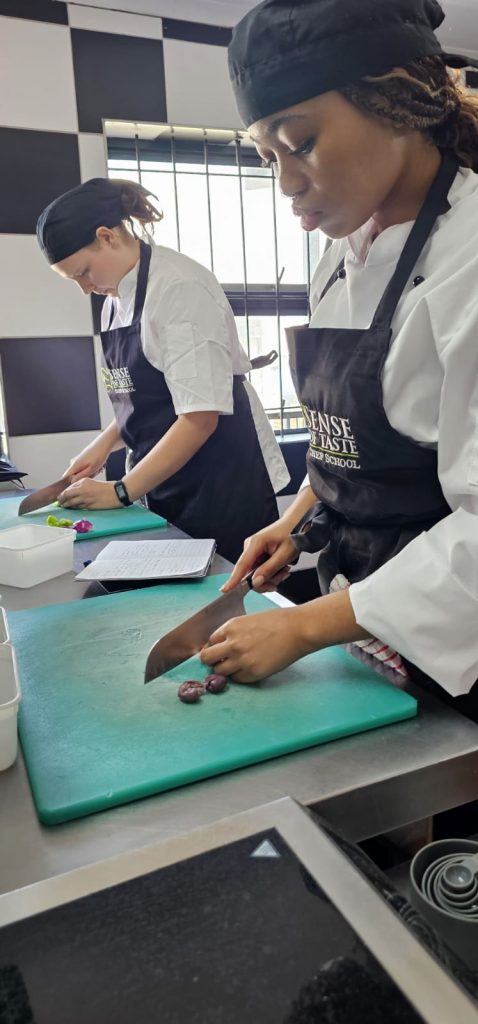
Students are taught to use the “claw grip,” curling their fingertips inward while guiding the knife with their knuckles. This simple technique dramatically reduces the risk of cuts and injuries.
Learning safe habits early builds confidence and prevents accidents.
Maintaining Sharp Knives
Ironically, a sharp knife is much safer than a dull one.
Dull blades require more force, making them more likely to slip. Aspiring chefs should learn how to:
- Hone a knife regularly
- Sharpen it correctly
- Clean it safely
- Store it properly
Looking after your knives is part of becoming a true professional.
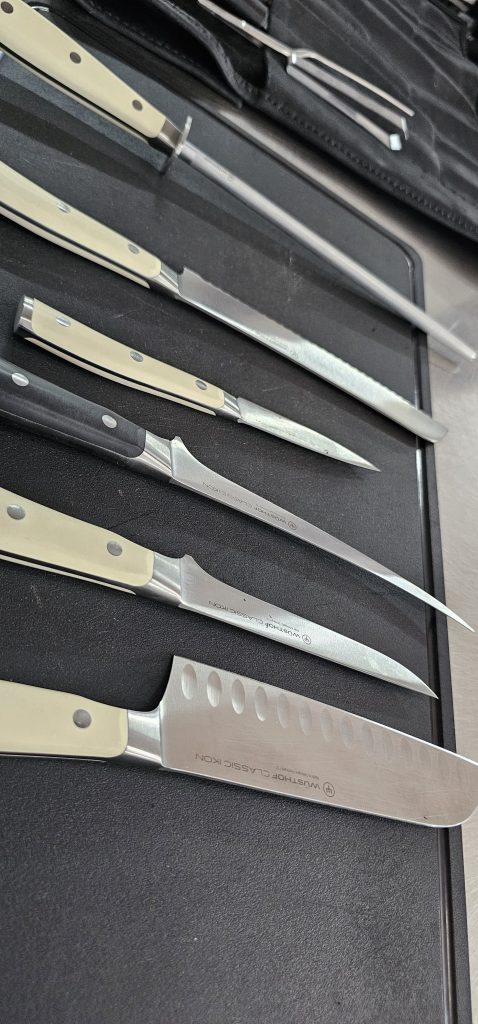
Choosing the Right Knife
Not every knife is designed for every task.
Professional chefs learn when to use:
- Chef’s knife
- Paring knife
- Serrated bread knife
- Boning knife
- Utility knife
Understanding which knife to use improves efficiency and protects both the blade and the food being prepared.
Speed Comes with Practice
Many aspiring chefs focus on cutting quickly, but speed should never come before technique.
Professional chefs first develop consistency and accuracy. As confidence grows, speed naturally follows.
At Sense of Taste Chef School, students practise knife skills repeatedly in a supportive environment until the movements become second nature.
Building Professional Confidence
Knife skills are one of the first things employers notice during kitchen trials. A chef who demonstrates confidence, precision, and safe working practices immediately stands out.
These practical skills also create a solid foundation for more advanced culinary techniques, from butchery and fish preparation to intricate food presentation.
Learn from Industry Professionals
At Sense of Taste Chef School, students receive hands-on training from experienced chefs who understand the demands of professional kitchens.
Rather than simply watching demonstrations, students spend time developing real-world skills through practical experience, preparing them for careers in restaurants, hotels, catering businesses, and beyond.
Whether you are beginning your culinary journey or looking to build professional confidence, mastering knife skills is one of the smartest investments you can make.
Start Your Culinary Journey Today
Every great chef starts with the basics, and knife skills are one of the most valuable techniques you will ever learn. With expert guidance, practical training, and a passion for culinary excellence, Sense of Taste Chef School equips students with the confidence and skills needed to thrive in the hospitality industry.
If you are ready to turn your passion for food into a rewarding career, there’s no better place to begin than Sense of Taste Chef School.